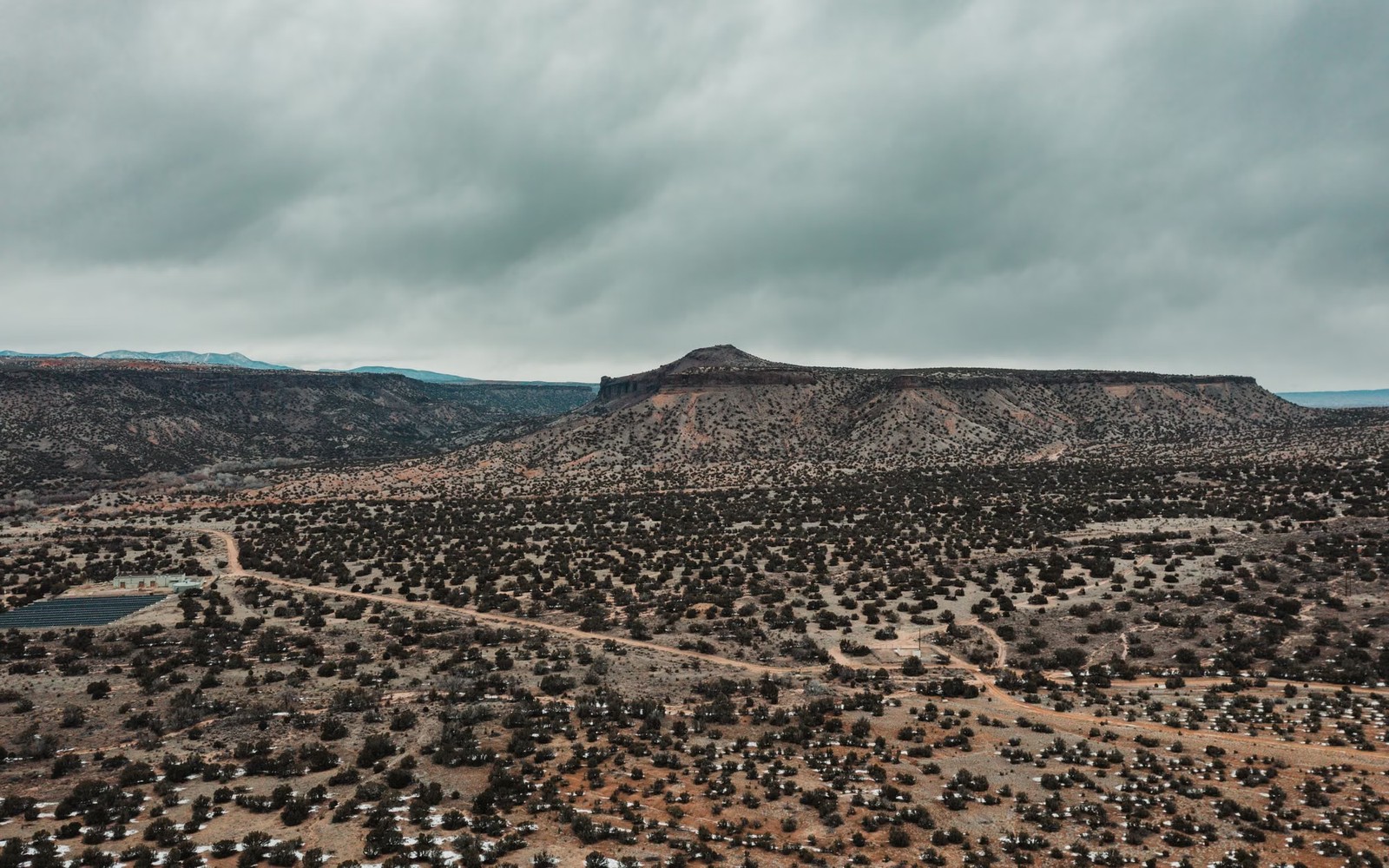
The San Juan Basin has two very different gas stories layered on the same land - decades-old coalbed methane and newer Mancos Shale gas. Which one your interest ties to changes the whole conversation.
The San Juan is the oldest continuously producing gas basin the gas royalty desk works, and it shows in the paperwork. Some leases and division orders on San Juan County, New Mexico and La Plata County, Colorado tracts trace back to conventional Fruitland Formation and Mesaverde gas wells drilled in the 1950s and 1960s, long before anyone in this basin had heard the term coalbed methane. Then came the 1990s CBM boom, when Section 29 tax credits made drilling into the coal seams themselves - rather than the sandstone above or below them - suddenly economic, and thousands of shallow CBM wells went in across San Juan, Rio Arriba, La Plata and Archuleta County. More recently, operators have gone after the Mancos Shale beneath the coal, using modern horizontal drilling on the same acreage that's held conventional and CBM production for generations.
What this means for you: a San Juan Basin mineral interest is rarely a single simple story. It might be tied to a conventional well from the Truman administration, a CBM well from the Clinton years, a modern Mancos horizontal, or more than one of those stacked on the same tract. Sorting out which is which - and what each is actually worth - is the first real step.
Because this basin has produced under different formations across different decades, it's common for San Juan and Rio Arriba County mineral owners to hold interests that trace through several generations of family transfer - a grandparent's original severed mineral estate, a parent's probate, maybe a prior partial sale during the CBM boom when landmen were working these counties hard. Each transfer is a document sitting in the county clerk's record, and before we put a number on your interest, we want to see that full chain, not only your current division order.
New Mexico and Colorado also handle some title questions differently at the state level, particularly around older conventional leases that predate modern pooling and unitization statutes. A tract that's been part of a state-approved gas spacing unit since the 1970s has a cleaner regulatory history than one that's been informally pooled more recently, and that affects how quickly we can move to closing.
CBM wells in this basin are shallow, low-pressure, and produce water alongside gas, especially early in their life, which means their decline behavior and check patterns look different from a conventional or shale well. Most CBM wells in the San Juan are also decades into production now - this isn't a new play, it's a mature one, and most of the easy CBM drilling happened years ago. If your royalty ties to legacy CBM production, you're likely looking at a long, low, fairly stable tail rather than the swings a newer well shows.
Mancos Shale gas, by contrast, is the newer story here - operators drilling horizontal laterals into the shale beneath the coal seams and conventional zones that have produced for decades. If your tract has both legacy CBM production and newer Mancos activity nearby or beneath it, that's worth flagging specifically, because undeveloped Mancos potential under an old CBM lease can carry value the CBM royalty alone doesn't reflect.
Unlike Haynesville or Marcellus gas, San Juan Basin gas doesn't sit near LNG export infrastructure, and it competes on a regional pipeline system serving the Southwest and feeding into broader interstate lines. That's the honest basis picture for this basin - it prices closer to regional hub benchmarks than to any LNG-driven premium, and the gas royalty desk would rather tell a San Juan seller that plainly than let them compare their offer to headlines about Gulf Coast gas that don't apply here.
Takeaway capacity out of this basin has also been a real constraint at different points over the decades, which is part of why CBM wells here were often shut in or curtailed during low-price stretches. If your check history shows gaps or irregular payments in past years, that's frequently a takeaway or pipeline capacity story rather than a well performance problem.
Six months of check stubs if you're producing, the deed or probate chain showing how the interest came to you, and confirmation of whether your tract touches any newer Mancos activity in addition to legacy production. Given how many older instruments sit in the chain of title on a lot of San Juan Basin tracts, expect the title review here to take a bit longer than on a newer play - that's normal for this basin, not a red flag.
Yes, and it's common in this basin. Conventional Fruitland and Mesaverde wells from that era are often still producing or have been unitized into later development. We trace the full chain of title through the county clerk to confirm exactly what you hold.
CBM wells are shallow, mature, and produce water alongside gas, generally settling into a long, low, stable tail after decades of production. Mancos Shale wells are newer horizontal completions that can carry more upside if drilling is still active nearby.
It can be, particularly for legacy CBM production in this basin, where pipeline takeaway capacity has constrained output at different points over the decades. That's usually a capacity story rather than a sign of a problem with the well or the accounting.
No. This basin sells into regional Southwest pipeline markets rather than benefiting from LNG export demand, so it prices closer to regional hub benchmarks. Any honest offer accounts for that basis difference rather than comparing it to Gulf Coast pricing.
Because this basin has produced across multiple formations and multiple decades, many tracts carry a longer chain of deeds, probates and prior partial transfers than a tract in a newer play would. That's routine for the San Juan, not a sign of a title problem.